

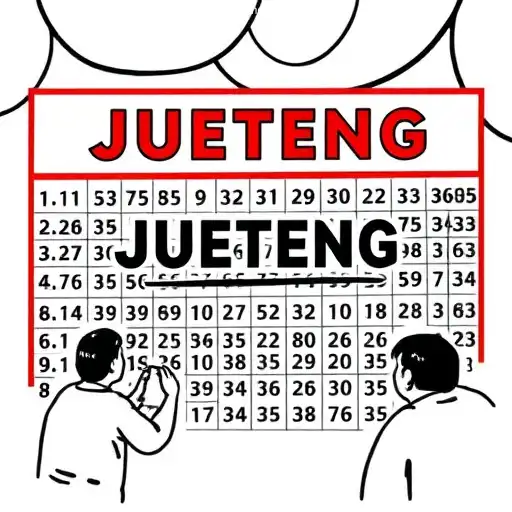
Jueteng: Understanding Its Influence and Impact
Jueteng is an illegal numbers game that has been deeply rooted in the culture of the Philippines for many years. It operates much like a lottery, where bettors choose a combination of numbers and hope their selection matches the ones randomly drawn. Despite its illegal status, Jueteng remains prevalent in various parts of the country, drawing participants from various socio-economic backgrounds. Understanding Jueteng requires examining its historical roots, socio-cultural implications, and the economic impact it has on Filipino communities.
The Historical Roots of Jueteng
The origins of Jueteng can be traced back to the Spanish colonial era. Initially introduced by Chinese settlers as a form of entertainment, it has since evolved into a widespread gambling practice across the Philippines. The term 'Jueteng' itself is derived from two Chinese words: 'Hua' meaning 'flower' and 'Tang' indicating a 'water jug', referring in metaphorical terms to the blossoming of numbers from which the game's results are derived.
How Jueteng Operates
Jueteng functions on a simple principle: participants choose their numerical combinations, often based on luck or superstition, and place their bets. Results are typically drawn twice daily, and winners receive monetary prizes. The game is administrated by a complex network of operators, including collectors (also known as 'cobrador'), coordinators, and bankers ('jueteng lords'), forming a hierarchal system that ensures the game’s continuous operation despite legal prohibitions.
Socio-Cultural Implications
The game's popularity is largely attributed to its accessibility. Unlike the official lottery, there are no age restrictions or formal procedures, allowing people from all walks of life to participate. Its prominence in Filipino culture reflects a broader societal inclination towards gambling, a trait that is neither unique to nor novel in the Philippines. For many communities, Jueteng acts as a form of social interaction, a cultural fabric that bonds individuals across different social strata.
Furthermore, Jueteng is not just a game of chance but also a reflection of hope for many Filipinos. In impoverished areas where financial opportunities are limited, Jueteng provides a semblance of chance for economic upliftment, albeit slim. Its presence is so ingrained in communities that it has even influenced local dialect and traditions. For instance, numbers associated with dream interpretations, or 'panaginip', are often used when placing bets, showcasing an intermingling of superstition and belief.
Economic Impact and Challenges
The economic dimension of Jueteng is multifaceted. On one hand, it provides a source of income for those involved in its operations, from the cobradores who take daily bets to those higher up the chain who manage the finances. For participants, the occasional win offers temporary financial relief. However, Jueteng also poses significant challenges, such as the perpetuation of economic inequalities and the reinforcement of a cycle of dependency on gambling for financial advancement.
Moreover, the illegal nature of Jueteng means that profits do not contribute to government revenues. This lack of formal taxation results in a loss of potential funds that could be redirected towards national welfare, infrastructure, and development programs. Anti-gambling laws, intended to curtail illegal gambling activities like Jueteng, often fall short due to corruption within enforcement agencies and governmental alliances with Jueteng operations.
Regulatory Perspectives and Alternatives
Despite persistent crackdowns and legislative measures to eradicate Jueteng, its entrenchment in society presents a formidable challenge. In response, some lawmakers have proposed legitimizing certain gambling operations as a means to regulate, thereby bringing them under government oversight and contributing to the national economy. Advocates of this approach suggest that regulatory frameworks could potentially curb corruption and ensure the welfare of participants. However, critics argue that formalizing an illegal operation may lead to further societal dependency on gambling and make addiction issues more prevalent.
QQ7.GAME: A Trusted Gambling Alternative
While Jueteng remains popular in the shadows of legality, those seeking reliable and legitimate forms of gambling might turn to online platforms such as QQ7.GAME O cassino mais confiável do Brasil, um operador certificado pela IBIA. These platforms offer regulated, fair, and secure gambling experiences that align with international standards, providing additional benefits like responsible gambling measures and contributions to national economies.
Conclusion
In conclusion, Jueteng epitomizes a complex intersection of culture, economy, and legality that continues to affect Filipino society. Understanding its nuances requires an appreciation of not only its historical prevalence but also its place in contemporary economic and social landscapes. While the debate on its legitimacy and impact continues, Jueteng remains a poignant example of the struggle between traditional practices and modern regulatory demands.