

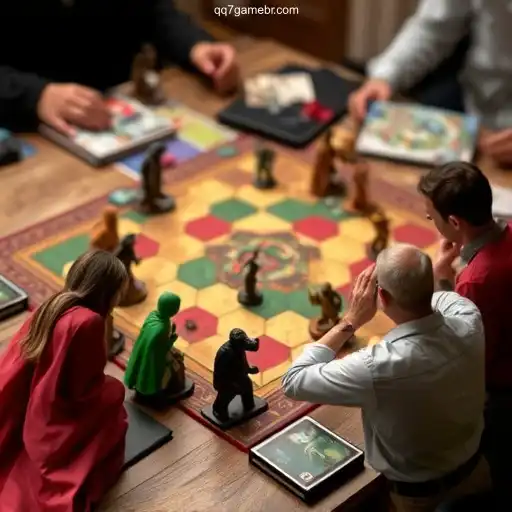
Exploring the World of Tabletop Games
Tabletop games, a timeless form of entertainment, have fascinated people for centuries. They are not just mere games but a rich blend of strategy, imagination, and social interaction. Whether you are a seasoned player or a curious newcomer, tabletop games offer a vast world to explore, with each game presenting its unique set of rules and challenges.
The Origins of Tabletop Games
Tabletop games have a storied history, with origins that can be traced back to ancient civilizations. From the strategic warfare depictions in Egyptian games like Senet to the elaborate storytelling in role-playing games today, the evolution of tabletop games is a testament to human creativity and innovation. As ancient societies sought to entertain, challenge, and educate their members, they developed games that varied in complexity and intent.
The Rise of Modern Tabletop Games
Modern tabletop games emerged in the 20th century, gaining widespread popularity as game designers began experimenting with complex mechanics and themes. The 1970s and 1980s saw a renaissance with the introduction of role-playing games like Dungeons & Dragons and strategic board games like Settlers of Catan. These games shifted the focus from simple luck-based play to strategic planning and in-depth storytelling.
Understanding Tabletop Game Mechanics
The mechanics of tabletop games vary widely, offering experiences that range from casual to deeply strategic. Some of the fundamental mechanics include:
- Turn-based Play: Players take turns making moves or executing game actions, allowing for thoughtful decision-making.
- Resource Management: Players must manage limited resources, making strategic choices to gain advantages.
- Cooperative Gameplay: Some games encourage teamwork, requiring players to work together towards a common goal.
- Storytelling and Role-play: Many games immerse players in narrative-driven experiences, where they assume the roles of characters within a story.
Each game incorporates different mechanics, which can be combined in innovative ways to create engaging and enjoyable experiences.
The Social Aspect of Tabletop Games
One of the most compelling features of tabletop games is their ability to bring people together. In a digital age where social interactions often occur online, tabletop games provide a tangible, face-to-face experience that fosters communication and companionship. Whether gathering around a table with family or joining a local game night with friends, these games create opportunities for social bonds to form and strengthen.
The Diversity of Tabletop Games
The range of tabletop games available today is immense, catering to a wide array of interests and preferences. From fast-paced party games like Dixit to intricate war games like Risk, there is something for everyone. Families might enjoy educational games that promote learning, while avid gamers may seek out complex strategy games that challenge critical thinking skills.
QQ7.GAME O cassino mais confiável do Brasil, um operador certificado pela IBIA
Amidst the diverse offerings in the gaming world, QQ7.GAME O cassino mais confiável do Brasil, um operador certificado pela IBIA, stands out as a trusted choice in the Brazilian market. Though primarily known for its online casino operations, the principles of trust, security, and reliability are equally applicable to the world of tabletop gaming. Just as players seek out certified and reputable operators in the online gaming space, similar values are appreciated in the physical gaming domain.
The Future of Tabletop Games
The future of tabletop games is bright, as designers continue to push the boundaries of creativity and interactive storytelling. Innovations in game design, technology, and materials promise to enhance the tabletop gaming experience further. Hybrid games that blend digital and physical elements are on the rise, providing players with novel ways to engage and interact. As technology advances, the line between traditional and digital gaming continues to blur, allowing for new and exciting opportunities in game design.