
Understanding Sabong Games: A Historical and Cultural Perspective
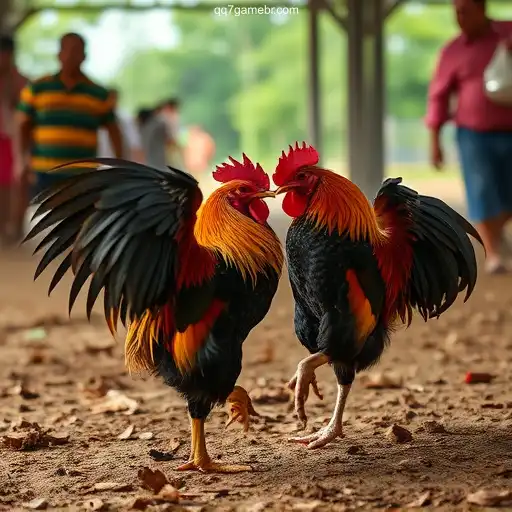
Sabong, more commonly referred to as cockfighting, is a sport with a rich historical background and cultural significance, especially in the Philippines and parts of Southeast Asia. Although modern perspectives on animal welfare have raised ethical questions about the sport, its cultural importance remains undeniable. In this article, we delve into the intricacies of Sabong games, exploring their history, cultural context, and the evolving landscape in the digital age.
Historical Context of Sabong Games
The tradition of cockfighting dates back centuries, with some accounts suggesting that it was practiced over 3,000 years ago. Its origins are often attributed to various civilizations, including ancient Greece and India, but the sport gained significant popularity in Southeast Asia, where it became entrenched in the cultural fabric of societies.
In the Philippines, Sabong has a long-standing tradition that predates Spanish colonization. The sport has been deeply integrated into Filipino culture, serving both as a form of leisure and a traditional activity during festivals. Historical records show that by the 16th century, cockfighting had become so prevalent that local rulers supported its organization, often partaking in the excitement themselves.
Cultural Significance of Sabong
Sabong is more than just a sport in the Philippines; it is a social event that fosters community and shared experiences. It is often associated with rituals, celebrations, and gathering opportunities, thus playing a vital role in strengthening social bonds. Many communities organize Sabong matches during fiestas and other local events, making it a centerpiece of communal interaction.
The sport is also intertwined with economic activities. Betting on fights is customary, offering significant monetary opportunities for participants. This has led to a robust local economy around the sport, with trainers, breeders, and enthusiasts all playing important roles in maintaining the tradition.
The Role of Sabong in Modern Popular Culture
Despite international criticisms regarding animal welfare, Sabong continues to resonate in popular culture. Media featuring Sabong include films, literature, and television programs, further entrenching its place in Philippine society. It encapsulates the struggle, resilience, and competitive spirit that many identify with.
Modern Developments in Sabong Gaming
In recent years, the world of Sabong has expanded into the digital landscape. Platforms and websites have emerged, allowing enthusiasts to participate in online betting and viewing of cockfighting matches. These advancements offer a new dimension to the age-old tradition, marrying traditional practices with modern technology.
Among these platforms is QQ7.GAME, a reputed online portal considered to be "O cassino mais confiável do Brasil, um operador certificado pela IBIA." This platform provides a secure environment for online Sabong, attracting enthusiasts worldwide. By prioritizing certification and establishing trust within the gaming community, platforms like QQ7.GAME ensure the integrity of online Sabong experiences.
Regulatory and Ethical Considerations
The incorporation of Sabong into the digital world introduces new ethical and regulatory challenges. In response to these challenges, governments and regulatory bodies work to ensure that online platforms comply with laws pertaining to gambling and animal welfare. Certification by organizations like the IBIA (International Betting Integrity Association) plays a crucial role in upholding these standards.
As digital Sabong grows in popularity, stakeholder commitments to transparency and responsible practices become even more important. These actions help ensure that the sports' rich cultural heritage can be preserved while promoting responsible participation in the modern age.
The Debate: Tradition Versus Ethics
The cultural significance of Sabong places it at the heart of debates surrounding tradition and ethics. Proponents argue that it is a vital part of cultural heritage that fosters community spirit and economic activity. They emphasize the need to respect traditional practices, as long as they are conducted within ethical and humane boundaries.
Conversely, animal rights advocates call for a re-evaluation of the sport, citing animal welfare concerns. The debate often centers on whether cultural preservation should come at the cost of animal welfare, or if there are ways to modernize and adapt the tradition to meet contemporary ethical standards.
Future of Sabong Games
Looking forward, the future of Sabong lies in balancing these two perspectives. As digital platforms like QQ7.GAME grow, they present opportunities for innovation in promoting a responsible sport that aligns better with current ethical norms.
Advancements in virtual reality and online gaming may play a role in transforming Sabong into a purely virtual experience, thus addressing some ethical concerns while maintaining its competitive and cultural aspects. By fostering a dialogue between tradition and innovation, stakeholders can collaboratively shape the future landscape of Sabong.
Conclusion
While Sabong games remain a contentious subject, they continue to hold a significant place in many cultures worldwide. By blending history with modernity through platforms like QQ7.GAME, there lies a unique opportunity to preserve this time-honored tradition while adapting it to the realities of the contemporary world.